


I don’t follow trends.
I follow truth. And, I’ll always share it with you.
WE ARE RADICALLY OVERCONSUMING PROTEIN.
And, it’s NOT making us healthier—it’s making us sicker.
Your body can only utilize a certain amount of protein at one time.
Anything in excess? It’s either excreted… or stored as fat.
And, if your detox pathways are sluggish, it creates even more internal congestion.
Excess consumption of protein—especially from animal products or (even worse) from high-protein packaged and processed foods—overburdens the liver, kidneys, and colon.
It also leaves behind acidic, inflammatory waste that disrupts your system.
And, in a body that’s already full of toxic buildup (think: pesticides, plastics, pathogens, parasites, and poor elimination), adding more protein just clogs the system further.
You can’t assimilate what you’re not digesting properly.
Protein obsession is the new diet dogma.
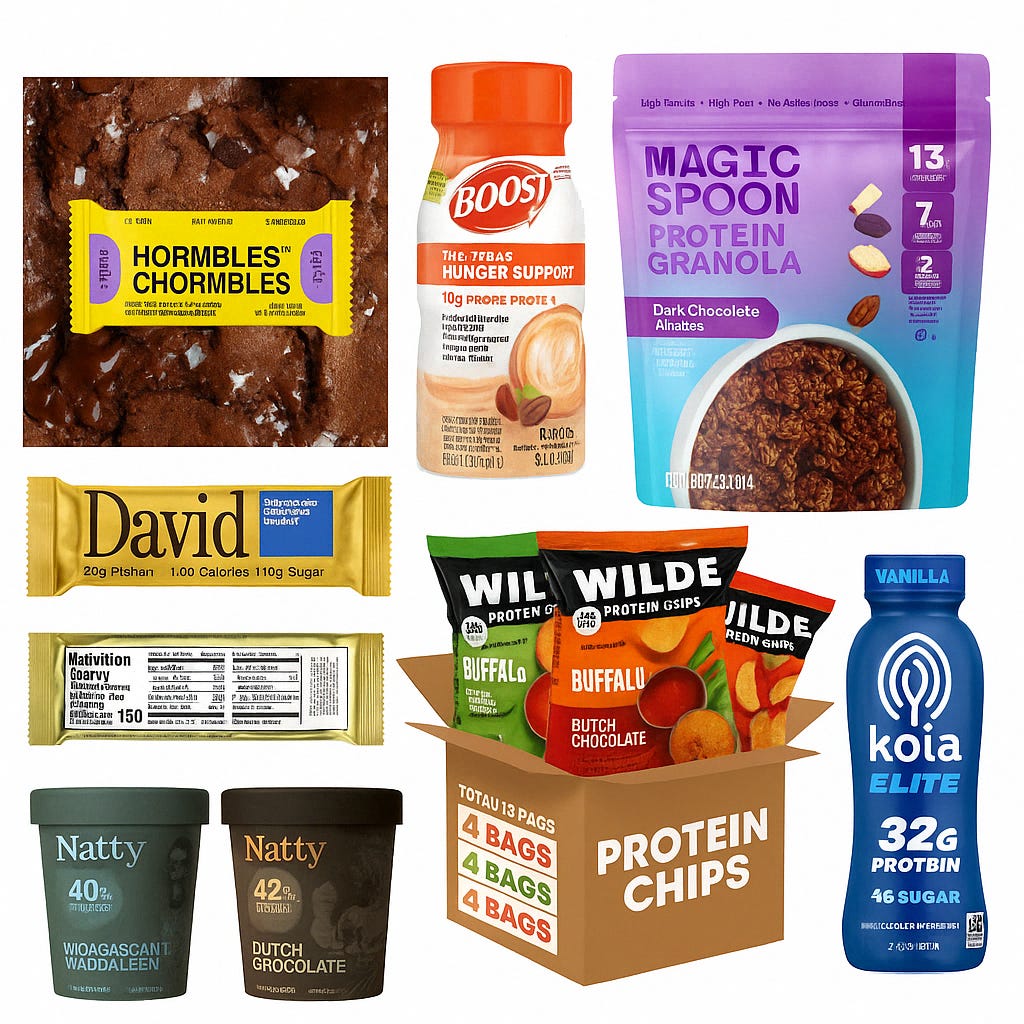
I’m currently witnessing a new wave of high-protein processed foods hit the market under the guise of “better-for-you” health products.
And, it's only getting worse by the day.
But, the truth is…
We really don’t need more protein.
We need:
More fiber
Less toxicity
Better absorption and utilization of what we’re already consuming
Before you reach for another high-protein shake, bar, or packaged “health” food...
Ask yourself:
Is your colon clear?
Is your liver functioning optimally?
Are you actually even absorbing and assimilating what you eat?
Because no amount of protein will heal a body that’s congested.
Detox first.
Always.
So, How Does Protein Even Work?
Protein is one of the main building blocks of the body.
It’s made up of amino acids—nine of which are “essential” (meaning you need to get them from the “food” that you eat).
Your body breaks down the protein you eat into these amino acids to rebuild and repair tissues, hormones, enzymes, neurotransmitters, and more.
While all proteins are made up of amino acids, the amount and type of each amino acid varies based on the protein source.
Some proteins are “complete”, meaning they contain all nine “essential” amino acids. Others are “incomplete”, missing one or more of the “essential” amino acids, but that’s not necessarily a problem.
While plant-based proteins may have lower quantity of certain essential amino acids, every single plant contains all of the essential amino acids in varying proportions that complement one another to form “complete” proteins in the body.
So, by eating a variety of plant-based foods, your body still combines these amino acids and “incomplete” proteins naturally to build complete proteins when needed.
Plant-Based and Animal Protein Sources
Here are some gentle, plant-based sources of protein that your body can actually process and use efficiently:
Lentils – 18g per cooked cup
Soybeans (edamame) – 17g per cooked cup
Chickpeas – 15g per cooked cup
Black beans/kidney beans – 15g per cooked cup
Hemp seeds – 10g per 3 tbsp
Amaranth – 9g per cooked cup
Quinoa – 8g per cooked cup
Nutritional yeast – 8g per 2 tbsp
Ella's Flats seed crackers – 8 g per 3 crackers
Wild rice – 7g per cooked cup
Pumpkin seeds – 7g per oz
Almonds – 6g per oz (~23 nuts)
Brown rice – 5g per cooked cup
Chia seeds – 5g per 2 tbsp
Cashews – 5g per oz (~18 nuts)
Flax seeds – 4g per 2 tbsp
Walnuts – 4g per oz
Spirulina – 4–6g per tbsp (in a smoothie)
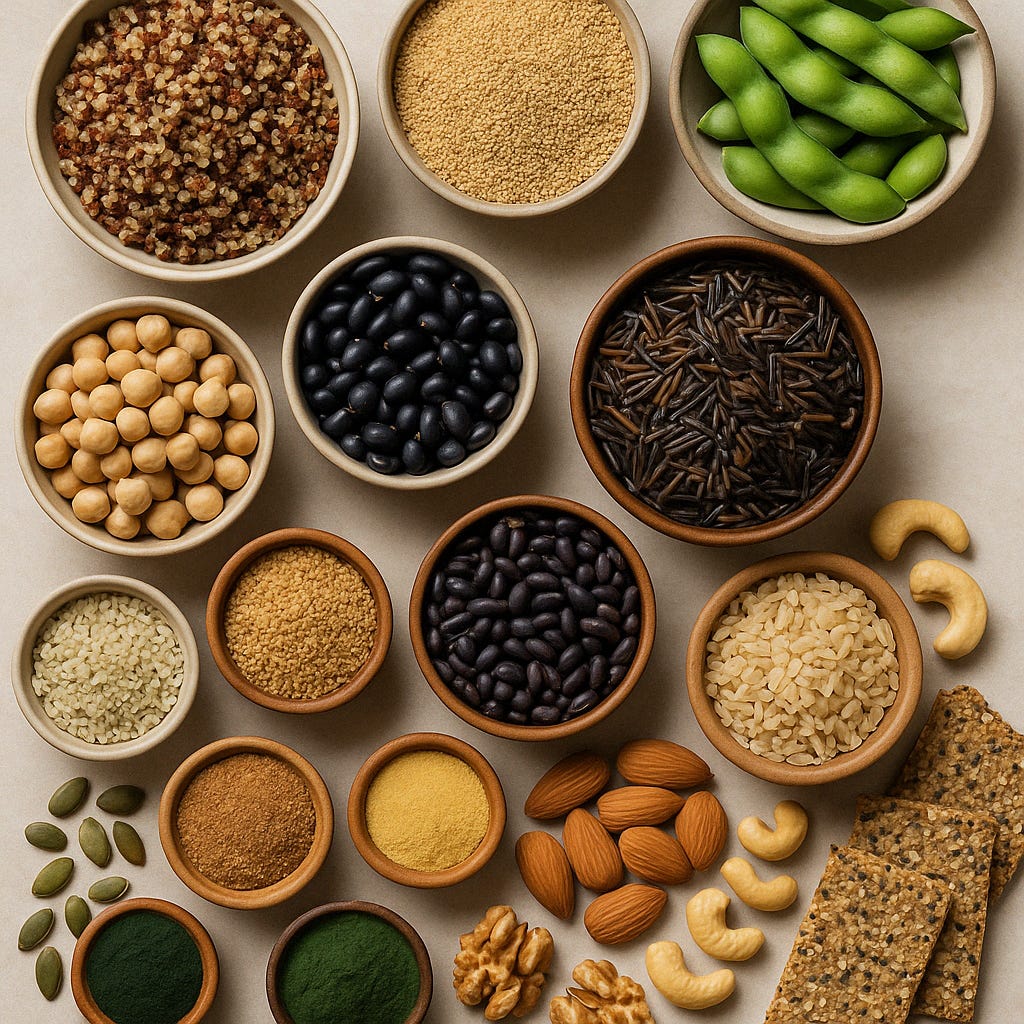
These foods will continue to support your muscles and metabolism, while also giving your liver and kidneys a break and lightening your overall toxic load.
Even the strongest animals on earth—gorillas, elephants, buffalos—thrive on a plant-based diet. They get their protein from plants.
And no, I’m not telling you to never eat animal protein.
I personally include some organic, grass-fed, wild-caught, or pasture-raised protein in moderation.
But, when you do:
Do so in moderation.
Source it well. Make sure it’s organic, grass-fed or wild-caught, toxin-free, antibiotic-free, hormone-free, and/or pasture-raised. Look for third-party certifications: USDA Organic, American Grassfed Association (AGA), Certified Humane, Animal Welfare Approved. Don’t forget to ask about feed – “Pasture-raised” means little if the animals are still fed GMO corn or soy.
Happy Eggs organic pasture-raised eggs
Seatopia organic, mercury-free, toxin-free, parasite-free fish (MEGHAN20 for 20$ off)
Pasturebird organic, pasture-raised poultry
White Oak Pastures organic, regenerative, grass-fed, grass-finished meat and organic, pasture-raised poultry
Primal Pastures organic, regenerative, grass-fed, grass-finished meat and organic, pasture-raised poultry
Pair it with tons of non-starchy vegetables and leafy greens, as the live enzymes in these foods will help you to process and break down the heavier foods that you’re eating.
Chew your food thoroughly and slowly to support digestion.
Minimize (or completely eliminate) any and all high-protein packaged foods, even if they claim to be “healthy” and “better-for-you”.
When it comes to protein consumption, context is incredibly important.
Pause and ask yourself:
Again, is your body actually absorbing the protein you’re consuming?
Is the quality of protein you’re eating high (or is it coming from bars, powders, packaged foods, and factory-farmed sources)?
Is protein being prioritized to the detriment of other healing foods like fruit, leafy greens, vegetables, and fiber-rich, enzyme-rich, nutrient-rich plant-based whole foods that support proper detoxification and overall health?
More Protein ≠ Better Health
Most people think if they just eat more protein—more meat, more shakes, more bars—they’ll build muscle, feel better, lose weight, or 'tone up’.
But, again, if your system is toxic and your detox pathways are sluggish, your body literally can’t properly break down, absorb, or use the protein that you’re eating.
Let me break this down:
Again, when you eat protein, your body has to digest it into amino acids—that’s what your cells actually use to repair tissue, build hormones, fuel neurotransmitters, and so on.
But, if your digestive system is congested (think: sluggish colon, weak stomach acid, overburdened liver, backed up lymphatic system), the process of breaking down and absorbing protein is completely compromised.
So, this is what happens instead:
The protein can’t be used efficiently.
It just sits in the gut, ferments, and putrefies.
And, that creates even MORE toxicity—ammonia, uric acid, and other metabolic waste the body has to clean up.
It’s like trying to build a house with bricks that never make it to the construction site.
Your body’s inflamed, overloaded, and now has even more trash to deal with.
So, ironically, if you eat more protein, especially when your cleansing pathways are blocked, you might feel worse.
Heavier.
Inflamed.
Bloated.
Tired.
Foggy.
Because you’re not actually assimilating the protein—you’re just creating more waste.
So, again, you don’t need more protein.
You need to detox.
How do you currently feel about protein? Have you noticed any difference when you cut back or switched to cleaner, high-quality sources? Let me know in the comments.
And, if you have any other questions or comments, don’t hesitate to ask me any time in my weekly Q&A in my paid subscriber channel. If you’re not a paid subscriber, sign up below.
There’s a much better way. Want to learn more? Explore my resources below to start clearing your pathways and restoring your body’s ability to actually use nutrients. I’m taking a couple of new clients right now too, so sign up for a consultation below if you’re interested.
Take my free Detox Phase Quiz to uncover your physical symptoms you’re currently experiencing and to find out where to start your cleansing journey based on your body’s current needs.
Then, explore The Cleanses — a series of powerful digital cleanses that will guide you through a transformative detox journey towards optimal health and vitality, step by step.
Whether you’re a total beginner or feel ready for deeper cleansing, these programs are designed to help you feel like your radiant, vibrant self again.
If you’re ready for a highly personalized, hands-on experience, I opened a few consultation spots for next Wednesday to welcome 3 new VIP clients starting in May. This is for you if you want a highly customized plan, 1:1 guidance, and deep support and accountability to help you heal on every level. Read 50+ client testimonials to see what it’s like to work with me.