


Everyone’s arguing about the best diet. But, we’re ignoring one of the biggest hidden threats to our health:
REFINED INDUSTRIAL SEED OILS.
So, What Are Seed Oils?
Put simply, “seed oils” typically refer to oils extracted from seeds.
The most prevalent ones include:
Corn
Canola
Soy
Sunflower
Safflower
Cottonseed
Grapeseed
Peanut
Palm
These oils are everywhere and in everything—processed and packaged foods, restaurant meals, and even “healthy” snacks and salad dressings.
Why Are Refined Seed Oils A Problem?
Here are three key reasons:
ULTRA-PROCESSED – Refined seed oils are extracted using extreme heat and chemical solvents (like hexane), then deodorized, bleached, and preserved with synthetic additives like BHA, BHT, and TBHQ—classified as potential carcinogens.
This intense processing damages the oil’s structure, creates toxic byproducts (trans fats, lipid peroxides), and strips away any and all nutrients.OMEGA-6 OVERLOAD – These oils are extremely high in omega-6 fatty acids. While our bodies need some omega-6, the average American consumes these fats in excess—creating a 15:1 omega-6 to omega-3 ratio. The ideal ratio is closer to 2:1 or 4:1.
LINK TO CHRONIC DISEASES – This imbalance promotes systemic inflammation and is linked to insulin resistance, cardiovascular disease, autoimmunity, obesity, cognitive decline, and hormonal imbalances.
The Bigger Picture
Global seed oil production has exploded by 1600% since 1909—and doubled in the last 20 years.
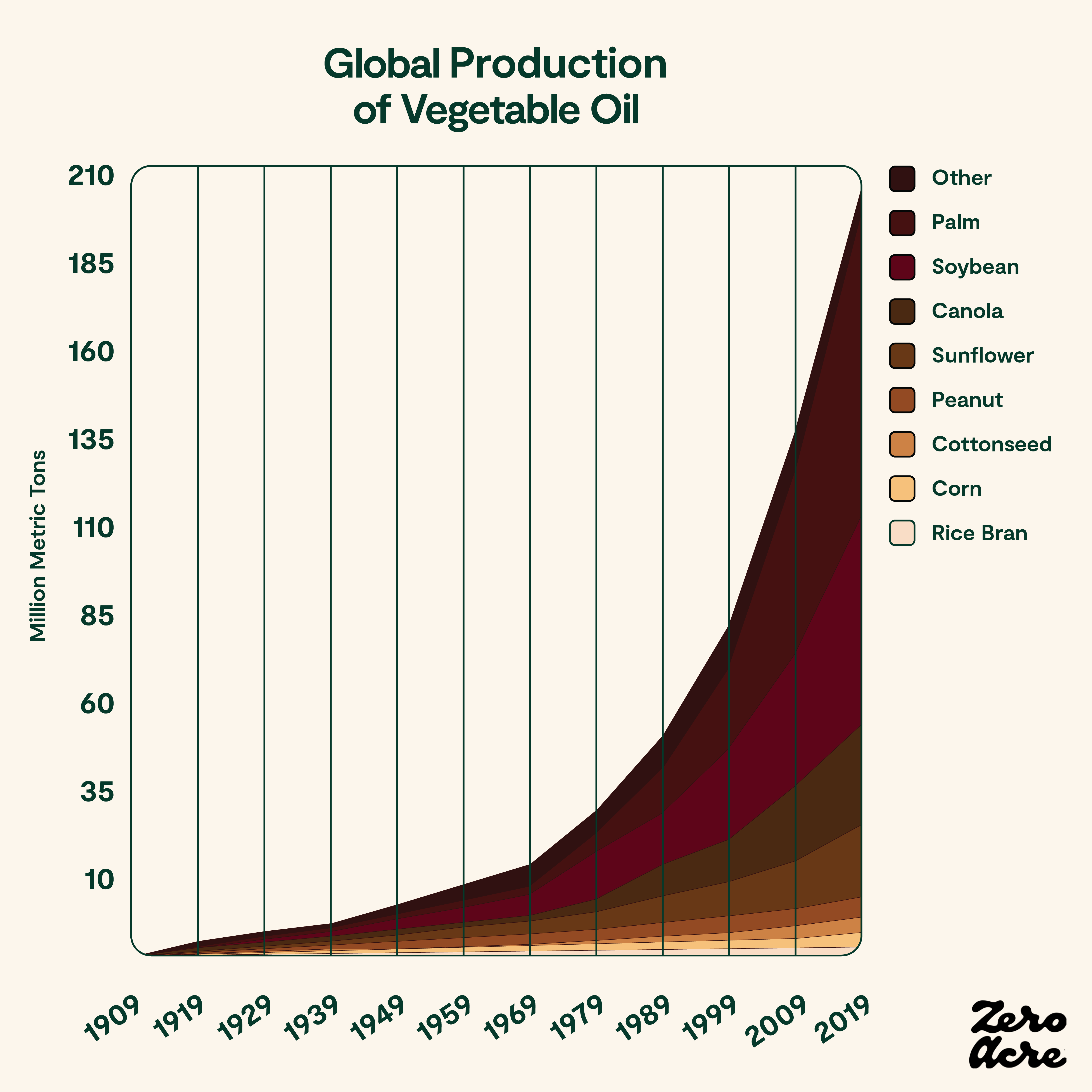
Meanwhile, 60% of U.S. adults now have at least one chronic disease—a 700% increase since 1935.
Correlation isn’t causation...
But, when the rise in seed oil consumption matches the rise in chronic disease, it’s worth asking questions.
So, What Can You Do?
This isn’t about fear—it’s about awareness and action.
AT HOME
Cook with cold-pressed extra-virgin olive oil, avocado oil, or coconut oil.
Look for oils labeled pure, cold-pressed, unrefined, raw, and extra-virgin.
Skip heavily processed vegetable oils whenever possible, and avoid anything labeled “vegetable oil,” “blended oil,” or “canola blend”.
When you’re buying cold-pressed, unrefined, extra-virgin olive oil, look for dark glass bottles or tins, a harvest date within the last 12–18 months, and certifications like COOC (California), PDO (Europe), or NAOOA. Top brands include:
When you’re buying cold-pressed, unrefined avocado oil, look for a deep green color, a grassy aroma, and no added oils or blends. Top brands include:
DINING OUT
Ask restaurants what oils they cook with (or use the Seed Oil Scout app before you make a reservation to scout ahead!).
Ask the waiter if your food can be prepared with extra-virgin olive oil, and request extra-virgin olive oil and vinegar instead of dressings and sauces that contain refined seed oils.
Choose spots that prioritize olive oil or avocado oil, like sweetgreen and True Food Kitchen.
UPGRADE YOUR FATS
Choose animal proteins that are organic, grass-fed or wild-caught, toxin-free, antibiotic-free, hormone-free, and/or pasture-raised, as they typically have a much healthier fat profile than conventional ones. Look for third-party certifications: USDA Organic, American Grassfed Association (AGA), Certified Humane, Animal Welfare Approved. Lastly, don’t forget to ask about feed – “pasture-raised” means little if the animals are still fed GMO corn or soy.
Happy Eggs organic pasture-raised eggs
Seatopia organic, mercury-free, toxin-free, parasite-free sustainable fish (use code MEGHAN20 for 20$ off)
Pasturebird organic, pasture-raised poultry
White Oak Pastures organic, regenerative, grass-fed, grass-finished meats and poultry
Primal Pastures organic, regenerative, grass-fed, grass-finished meats and poultry
Balance your fats by eating more omega-3-rich foods.
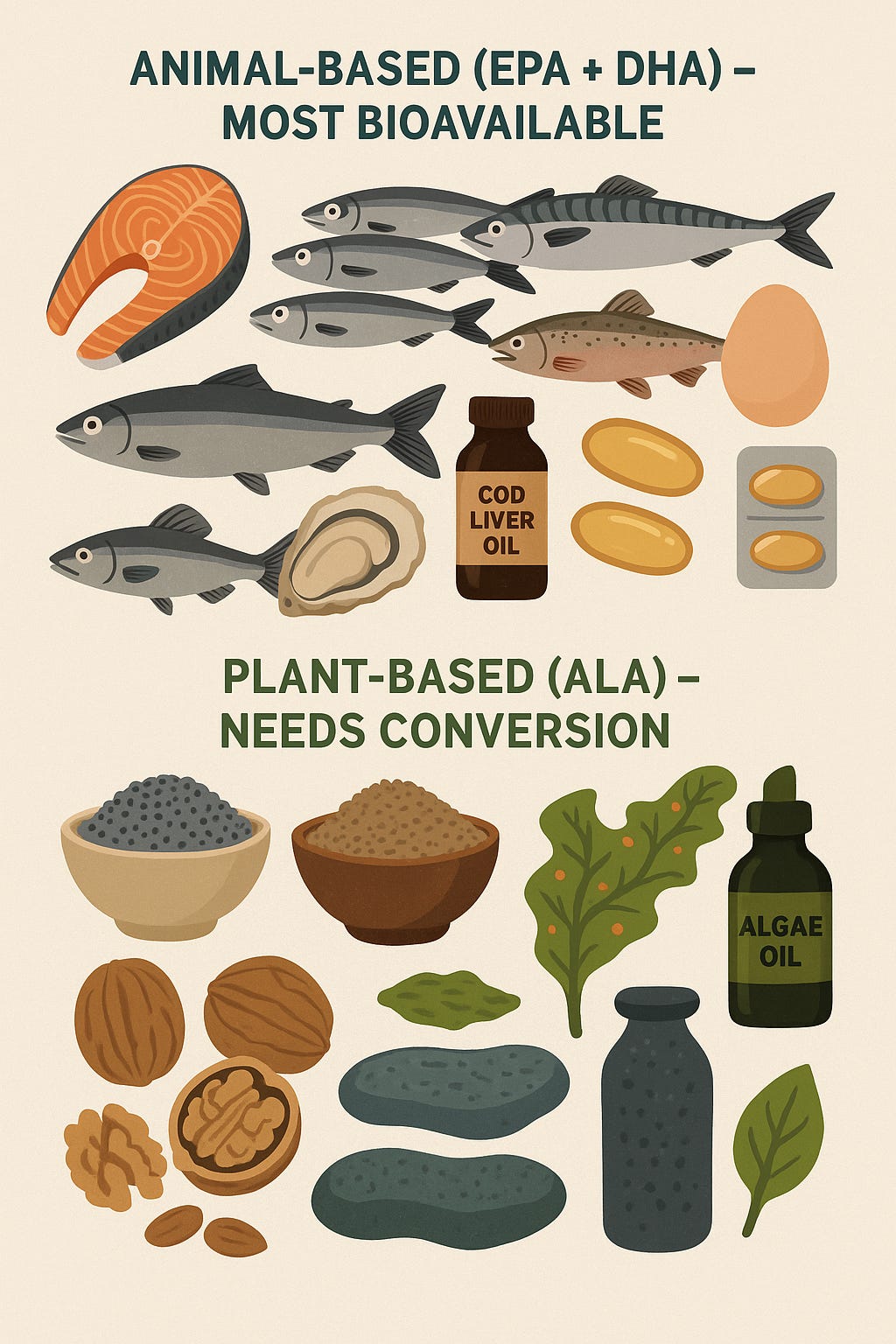
Animal-Based (EPA + DHA) – Most Bioavailable:
Wild salmon
Sardines
Mackerel
Anchovies
Herring
Rainbow trout
Oysters
Cod liver oil
Eggs
High-quality fish oil supplements
Plant-Based (ALA) – Needs Conversion
Chia seeds
Flaxseeds (especially ground)
Hemp seeds
Walnuts
Seaweed or algae-based oils (some varieties contain EPA & DHA)
High-quality algae oil supplements
It’s not about being perfect.
It’s about upgrading wherever you reasonably can.
Every swap helps reduce inflammation, support detox, and bring your body back into balance.
What’s one swap you can make today to proactively reduce your refined seed oil consumption? Let me know in the comments.
And, if you have any other questions or comments, don’t hesitate to ask me any time in my weekly Q&A in my paid subscriber channel.
Ready to cleanse and detox your body, transform your health, and upgrade your life?
Take my free Detox Phase Quiz to uncover your physical symptoms you’re currently experiencing and to find out where to start your cleansing journey based on your body’s current needs.
Then, explore The Cleanses — a series of powerful digital cleanses that will guide you through a transformative detox journey towards optimal health and vitality, step by step.
Whether you’re a total beginner or feel ready for deeper cleansing, these programs are designed to help you feel like your radiant, vibrant self again.
If you’re ready for a highly personalized, hands-on experience, I opened a few consultation spots to welcome 3 new VIP coaching clients starting in May or June. This is for you if you want a highly customized plan, 1:1 guidance, and deep support and accountability to help you heal on every level. Read 50+ client testimonials to see what it’s like to work with me.
I stick with olive oil and butter. Some recipes have called for other oils - but these never get used up, and I end up throwing them out.